Why Precision Plate Beveling is Essential for Quality Fabrication
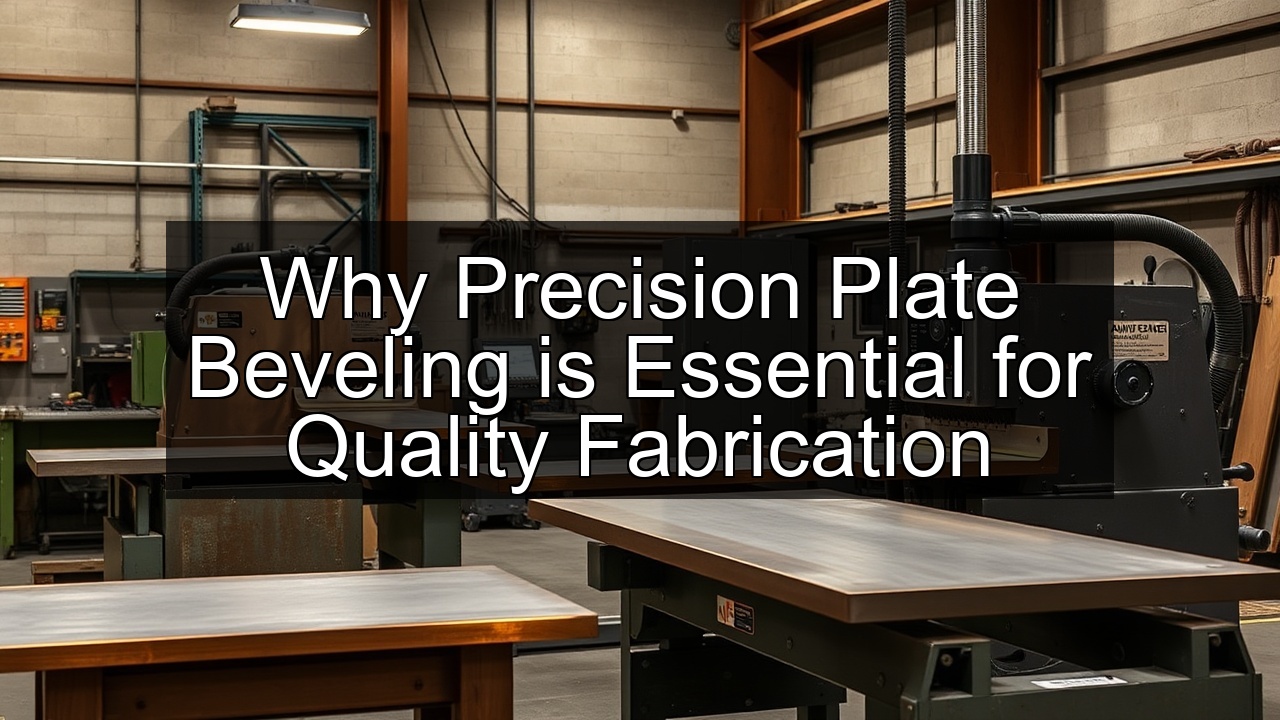
The Importance of Precision in Plate Beveling
Understanding the Role of Precision in Metalworking
Precision plate beveling stands at the forefront of quality fabrication in metalworking. This process involves creating an angled edge on metal plates, which is critical for ensuring strong welds. In metalworking, the slightest miscalculation can lead to significant consequences, including structural weakness and increased material fatigue. Precision ensures that components fit together flawlessly, which is vital in industries ranging from aerospace to construction. The accuracy of beveling directly influences the integrity of the final product; thus, investing in high-quality plate beveling machines significantly enhances the overall fabrication process.
How Precision Affects Weld Quality
Weld quality hinges on the preparation of the metal surfaces being joined. Proper beveling creates the ideal conditions for welding, allowing for better penetration and fusion of the materials. When plates are beveled accurately, the weld pool forms a more uniform joint, reducing the risk of defects such as porosity or cracking. This precision not only improves the mechanical strength of the welds but also enhances their resistance to corrosion and fatigue. In industries such as shipbuilding and mechanical engineering, the ramifications of poor weld quality can be catastrophic, making precision plate beveling indispensable for reliable and durable products.
Common Issues with Inaccurate Beveling
Inaccurate beveling can lead to a cascade of issues that jeopardize the entire fabrication project. Common problems include misalignment during welding, which can result in weak joints or even complete failure of the assembly. Additionally, improper bevel angles can create gaps that trap contaminants, leading to further complications during the welding process. These inaccuracies often necessitate costly rework or even scrapping of materials, significantly impacting project timelines and budgets. Therefore, utilizing precision plate beveling machines that deliver consistent results is essential for avoiding these pitfalls in metalworking.
Types of Plate Beveling Machines
Overview of Automatic Plate Bevelers
Automatic plate bevelers revolutionize the beveling process by enhancing efficiency and consistency in metalworking. These machines are designed to handle various plate thicknesses and materials, providing operators with the flexibility to tackle a wide range of projects. Equipped with advanced features, such as programmable settings and automated feed systems, automatic plate bevelers ensure precision and speed. They streamline the beveling process, reducing labor costs and minimizing human error. Many manufacturers now prioritize automation in their metal fabrication processes, making automatic plate bevelers a popular choice for businesses seeking to improve productivity without sacrificing quality.
Heavy Duty vs. Industrial Beveling Machines
Heavy duty and industrial beveling machines differ primarily in their construction and intended application. Heavy duty beveling machines are built to withstand rigorous use and can handle thicker materials, making them ideal for heavy industries such as shipbuilding and construction. On the other hand, industrial beveling machines may focus on high-speed performance and versatility, catering to a broader range of applications. Selecting the right type of machine depends on the specific needs of the project, including material type, thickness, and production volume. Understanding these distinctions ensures that fabricators choose the most suitable plate beveling machines for their operations.
High-Speed Plate Beveling Technologies
High-speed plate beveling technologies have emerged as a game-changer in the metalworking landscape. These machines utilize advanced cutting tools and high-velocity processing to achieve clean and precise bevels in a fraction of the time compared to traditional methods. The efficiency gained through high-speed beveling enables fabricators to improve throughput without compromising quality. Additionally, these technologies often incorporate automation, allowing for seamless integration into existing production lines. The demand for high-speed plate beveling machines continues to rise as manufacturers seek to optimize their operations and meet increasingly tight deadlines.
Key Features of Quality Plate Beveling Machines
Essential Tools for Effective Beveling
Quality plate beveling machines come equipped with essential tools that enhance the beveling process. These tools often include adjustable cutting heads, which allow operators to customize bevel angles according to project specifications. Additionally, high-performance cutting blades made from durable materials ensure clean and accurate cuts, minimizing the need for subsequent deburring. Some machines also feature integrated dust collection systems that maintain a clean workspace and improve safety conditions. By focusing on these key features, fabricators can maximize the efficiency and effectiveness of their beveling operations.
Automation in Plate Beveling: Benefits and Trends
Automation in plate beveling offers numerous benefits that align with modern manufacturing trends. Automated machines reduce the reliance on manual labor, which not only decreases the risk of human error but also enhances productivity. These machines can operate continuously, allowing for 24/7 production capabilities. As the industry moves towards smart manufacturing, many plate beveling machines now incorporate IoT technology, enabling remote monitoring and maintenance. This shift towards automation streamlines workflows and improves overall fabrication efficiency, making it a critical consideration for businesses looking to stay competitive in the metalworking sector.
Comparing Brands: Gullco International and Others
When selecting plate beveling machines, comparing brands such as Gullco International can provide valuable insights into quality and performance. Gullco is known for its innovative designs and reliable machinery tailored for precise beveling. Their products often feature advanced automation capabilities and robust construction, making them a preferred choice among metalworkers. However, other brands also offer competitive alternatives, each with unique features and pricing structures. Evaluating different options allows fabricators to make informed decisions that align with their specific needs and budget constraints, ensuring they invest in the right plate beveling machines for their operations.
Best Practices for Using Plate Beveling Machines
Selecting the Right SKU for Your Project
Choosing the right SKU for your plate beveling project is crucial for ensuring optimal results. Different projects may require specific bevel angles, material types, and thicknesses, which can influence the selection of the beveling machine. Consider the specifications of your metal and the intended application when selecting a beveling machine. Consulting with manufacturers or industry experts can provide insights into which machine tools will best suit your requirements. By making informed choices, fabricators can enhance their efficiency and output quality, ultimately leading to successful project completion.
Deburring Techniques for Clean Welds
Deburring is an essential step following the beveling process, ensuring that welds remain clean and free from sharp edges or burrs. Effective deburring techniques include using handheld tools, automated deburring machines, or even chemical solutions depending on the material and project requirements. Proper deburring minimizes the risk of weld defects and enhances the overall appearance of the finished product. Implementing a systematic approach to deburring after plate beveling contributes to the overall quality of welds and can significantly extend the lifespan of the final assembly.
Maintaining Your Beveler Machines for Longevity
Regular maintenance of plate beveling machines is vital for ensuring their longevity and optimal performance. This includes routine inspections, cleaning, and timely replacement of worn-out parts. Operators should familiarize themselves with the machine's maintenance schedule and adhere to recommended practices outlined by the manufacturer. Keeping the machinery well-maintained reduces the likelihood of unexpected breakdowns, improves efficiency, and enhances the quality of beveling. Investing time in proper maintenance pays off in the long run, resulting in more reliable performance and lower operational costs.
See Also
- The Importance of Precision in Metalworking Beveling Tools
- Enhancing Weld Quality with Advanced Plate Beveling Techniques
- Understanding SKU Systems for Beveling Machinery Purchases
- Cost-Effective Solutions for Plate Beveling in Small Shops
- Trends in Plate Beveling Machines for Sustainable Manufacturing