Understanding the Benefits of Engineering Plastics in Machining
Introduction to Engineering Plastics in Machining
What are Engineering Plastics?
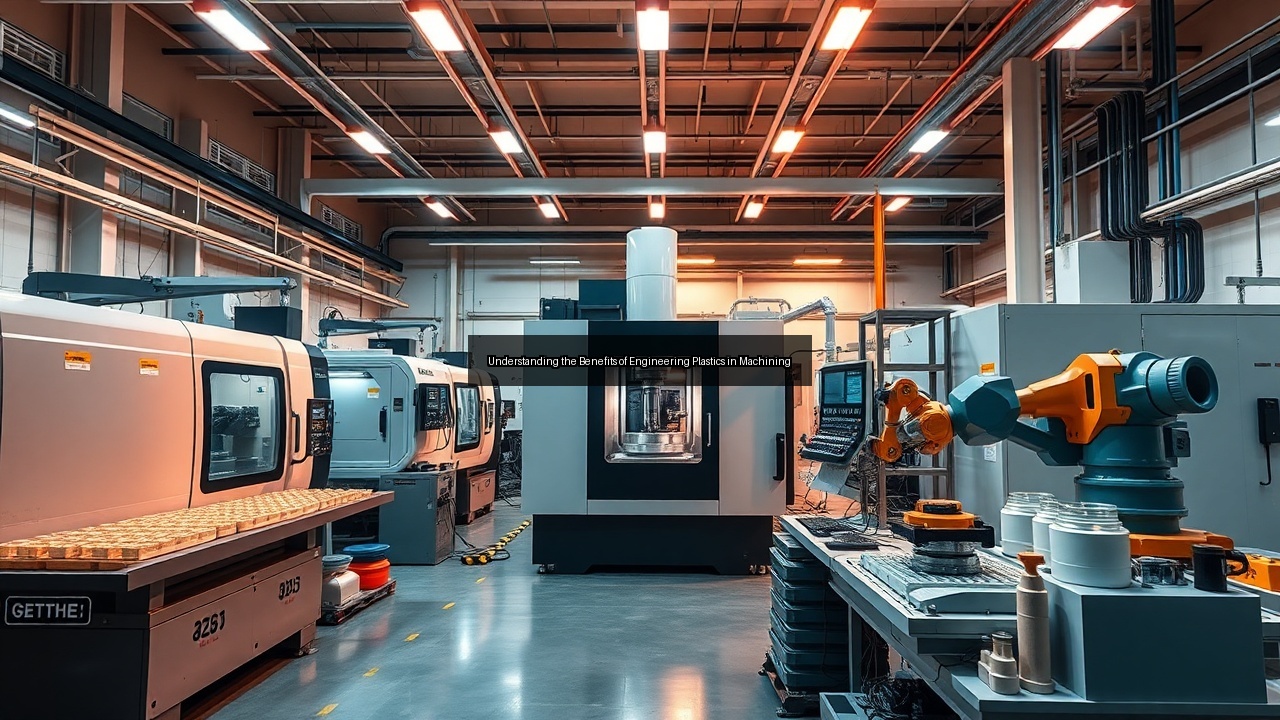
Engineering plastics deliver superior mechanical strength, thermal stability, and wear resistance compared with standard commodity plastics. Manufacturers select these materials for demanding applications because they maintain performance under continuous loads and elevated temperatures. Common grades include nylon, acetal, polycarbonate, and PEEK, each formulated with additives that enhance stiffness or reduce friction. Machinists turn to engineering plastics when metal parts add unnecessary weight or corrode in harsh environments. These polymers machine cleanly on standard equipment, produce minimal burrs, and accept tight tolerances without secondary operations. Engineers specify them for gears, bearings, and housings that must operate quietly and resist chemicals. The result is lighter assemblies that still meet structural requirements in automotive, aerospace, and medical equipment. Companies value the consistent quality of machined plastic components because they reduce assembly time and extend service intervals.
Importance of Machined Plastic Components
Machined plastic components replace heavier metal parts in robots, conveyor systems, and precision instruments. Their low density cuts energy consumption while chemical resistance prevents degradation from oils, solvents, and cleaning agents. Engineers rely on these parts for prototypes and low-volume runs because tooling costs stay far below injection-mold expenses. CNC machining produces identical features across batches, ensuring every plastic machined component meets the same dimensional standards. The process supports rapid design changes without new dies, which accelerates product development cycles. Medical device makers use machined plastics for sterilizable housings, while food processors choose them for wear strips that comply with hygiene regulations. Overall, machined plastic parts improve reliability, lower maintenance, and enable innovative geometries that metal fabrication cannot achieve economically.
Advantages of Using Engineering Plastics in CNC Machining
Lightweight and Durable Properties
Engineering plastics combine low weight with high impact strength, allowing designers to reduce overall system mass without sacrificing durability. A CNC machined plastic part often weighs one-fifth as much as its aluminum counterpart yet withstands repeated shock loads. Machinists achieve this balance by selecting grades reinforced with glass or carbon fibers. These composites increase stiffness while preserving the material’s corrosion immunity. In robotics, lighter arms move faster and consume less power, extending battery life and reducing structural stress on frames. Automotive suppliers adopt plastic machined components for brackets and clips that survive vibration and road chemicals. The durability of these parts also translates into longer replacement intervals, cutting downtime in production lines. Manufacturers document weight savings that improve fuel efficiency and payload capacity across multiple industries.
Chemical and Temperature Resistance
Many engineering plastics retain mechanical properties after prolonged exposure to aggressive chemicals and temperatures above 150 °C. PEEK and PPS, for example, resist steam, acids, and hydrocarbons that attack metals. CNC machining preserves this inherent resistance because the process introduces no heat-affected zones that could alter material chemistry. Machined plastic components therefore perform reliably in chemical processing equipment, semiconductor wet benches, and under-hood automotive applications. Temperature-resistant grades also maintain dimensional stability when components cycle between hot and cold environments. This stability prevents jamming in valves and pumps where metal parts seize. Companies specify these materials to eliminate coatings or plating steps that add cost and potential failure points. The result is simpler, longer-lasting assemblies that operate safely in corrosive settings.
Design Flexibility and Customization
CNC machining grants engineers freedom to create complex internal channels, undercuts, and thin walls in a single setup. Plastic fabrication teams program tool paths that produce custom machined plastic parts without expensive molds. Design iterations happen quickly because programmers adjust code rather than rebuild tooling. This flexibility supports integration of mounting features, seals, and identification marks directly into the component. Engineers optimize part geometry for stress distribution or fluid flow, then verify performance through functional prototypes. Batch production runs maintain identical specifications across hundreds of units, giving consistent quality for medical devices or industrial sensors. The absence of draft angles required in molding further expands design options, allowing true functional shapes that improve assembly efficiency and reduce part count.
CNC Machining Techniques for Machined Plastic Components
Overview of CNC Machinery in Plastic Fabrication
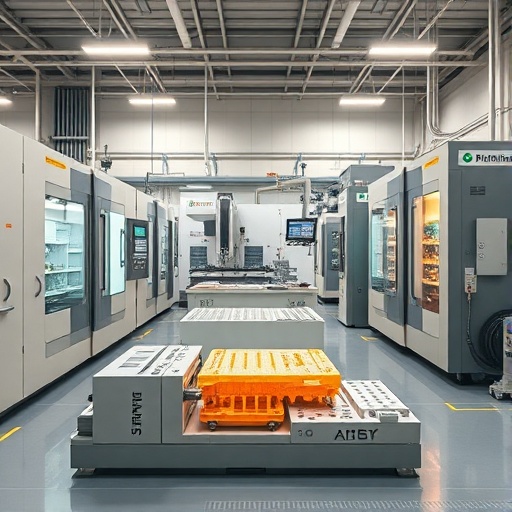
Modern CNC machinery handles engineering plastics with high spindle speeds and sharp carbide tooling that prevent melting or chip welding. Five-axis centers machine complex contours in one clamping, while lathes produce precision shafts and bushings from rod stock. Plastic fabrication shops maintain climate-controlled environments to minimize thermal expansion during cutting. Coolant systems deliver mist or air blast to clear chips without contaminating surfaces. Operators select feed rates and depths that match each polymer’s machinability, ensuring clean edges on every machined plastic component. Integration with CAD/CAM software allows direct import of 3D models, reducing programming time. These capabilities enable manufacturers to produce both prototypes and production volumes on the same equipment, streamlining supply chains for clients who need plastic cnc machined components on short notice.
Precision in Dimensions and Tolerances
CNC machining routinely holds tolerances of ±0.05 mm on machined plastic parts, with tighter control possible on critical features. Machinists verify dimensions with coordinate measuring machines and optical comparators before parts leave the shop. Stable fixturing prevents distortion in thin-walled components, while tool-length compensation maintains accuracy throughout long runs. Plastic machined components for optical or robotic applications often require surface flatness under 0.02 mm, which CNC technology achieves through finish passes and appropriate insert geometry. Consistent tolerance adherence reduces fit-up issues during assembly and eliminates costly rework. Manufacturers document statistical process control data to demonstrate capability indices that meet customer specifications for high-reliability equipment.
Batch Production Capabilities
CNC centers equipped with automatic bar feeders and pallet changers support efficient batch production of machined plastic components. Shops run lights-out operations that produce hundreds of identical parts overnight while maintaining uniform quality. Programmed tool changes and in-process probing detect wear before it affects dimensions. This automation lowers labor costs and shortens lead times compared with manual methods. Companies order cnc machined plastic components in quantities from ten to several thousand without incurring mold expenses. Repeatability across batches ensures that replacement parts match original specifications exactly, simplifying inventory management and field service. The scalable nature of CNC batch production accommodates both startup prototypes and established product lines with equal precision.
Surface Treatments and Finishing for Machined Plastics
Common Surface Finishing Techniques
Engineers apply surface finishing operations such as vapor polishing, bead blasting, and precision grinding to machined plastics. Vapor polishing dissolves microscopic peaks on acrylic or polycarbonate, producing optical clarity without affecting bulk properties. Bead blasting creates uniform matte textures that improve grip or hide machining marks on nylon and acetal parts. CNC machining followed by light passes with diamond tools yields mirror finishes on sealing surfaces. Shops also offer silk screening and laser etching for part identification directly on the component. Each technique is selected according to functional requirements rather than aesthetics alone, ensuring the finished plastic machined component performs as intended in its operating environment.
Impact of Surface Treatment on Performance
Surface treatment alters friction, wear rate, and cleanability of machined plastic components. Polished surfaces reduce particulate generation in clean-room equipment, while textured finishes increase traction in robotic grippers. Chemical-resistant coatings applied after machining protect against UV degradation or improve lubricity in sliding applications. Proper surface treatment extends service life by minimizing stress concentrations and preventing crack initiation. Manufacturers test treated samples under simulated conditions to verify that performance meets customer specifications before approving production. The right combination of machining accuracy and surface finishing delivers components that function reliably from the first installation through years of continuous operation.
Choosing the Right Manufacturer for Machined Plastic Parts
Key Specifications to Consider
Buyers evaluate manufacturers on material traceability, tolerance capability, and surface finish options. Detailed specifications for machined plastic parts include resin grade, filler content, and required certifications such as ISO or FDA compliance. Companies request first-article inspection reports and capability studies that confirm every dimension stays within stated tolerances. Additional requirements cover packaging, labeling, and lot traceability for regulated industries. Clear communication of these specifications upfront prevents miscommunication and ensures the delivered cnc machined plastic components match design intent exactly. Thorough documentation also supports validation processes in medical and aerospace programs.
Evaluating Company Expertise and Technology
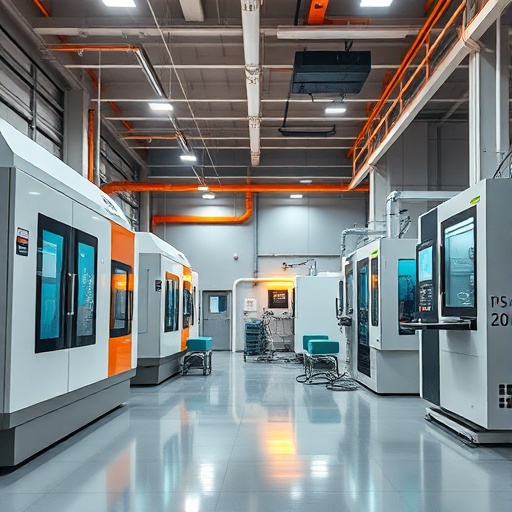
Experienced manufacturers invest in the latest CNC machinery, trained machinists, and quality systems that consistently produce high-grade machined plastic components. Site audits reveal the condition of equipment, cleanliness of the facility, and depth of engineering support. Companies with in-house design assistance help customers optimize parts for manufacturability, reducing cost and lead time. Technology investments in simulation software and automated inspection shorten development cycles while improving first-pass yield. When selecting a partner, buyers examine past projects involving similar plastic machined components and request references from current clients. Strong expertise combined with modern technology guarantees reliable supply of precision parts that meet demanding performance criteria across multiple production runs.