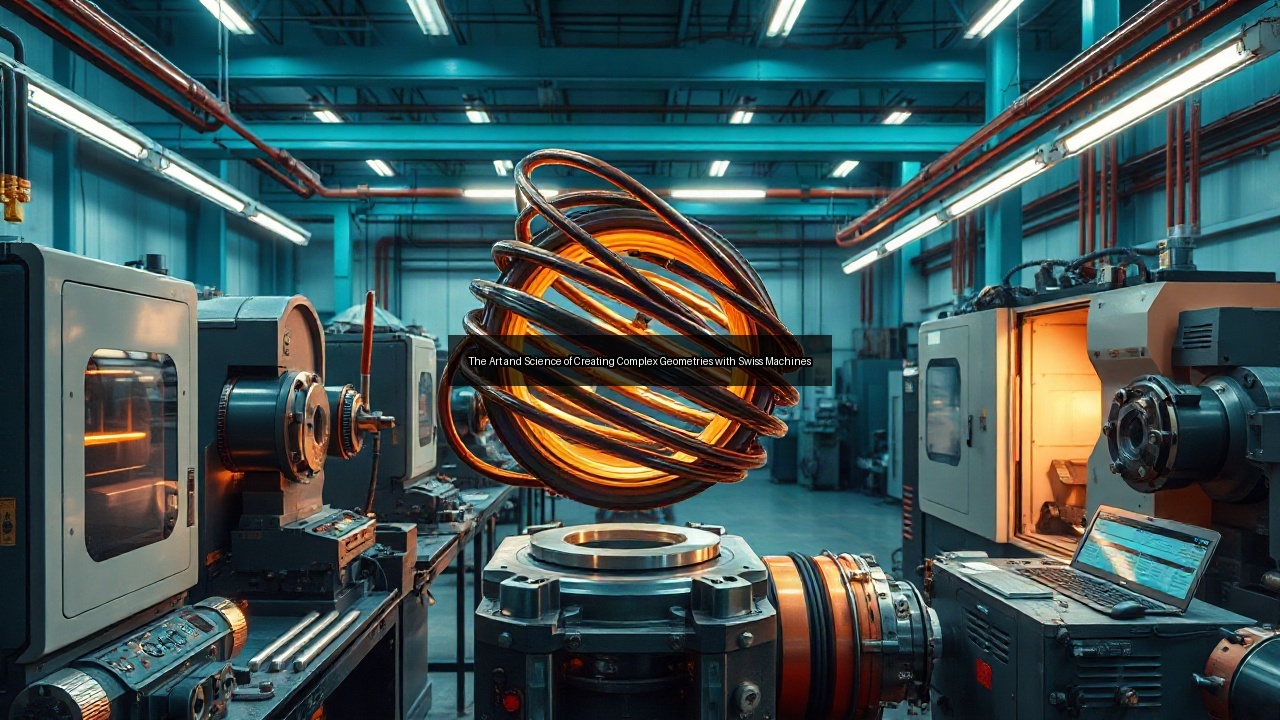
The Art and Science of Creating Complex Geometries with Swiss Machines
Understanding Swiss Machining
What is Swiss Machining?
Swiss machining delivers unmatched precision for small, intricate parts through a specialized turning process that supports the workpiece close to the cutting tool. This approach minimizes deflection and allows tight tolerances on diameters and lengths. Manufacturers rely on swiss machining for components that demand repeatability across high volumes. The technique originated in watchmaking but now serves industries needing complex geometries in materials like stainless steel and titanium. Operators program paths that combine turning, drilling, and milling in one setup, which reduces handling errors. Swiss machining stands apart from conventional lathe work because the guide bushing keeps stock rigid during cuts. Shops that master this method produce parts faster while maintaining surface finishes that often eliminate secondary operations.
History and Evolution of Swiss Machines
Swiss machines trace their roots to 19th-century Switzerland, where watchmakers needed extreme accuracy for tiny screws and gears. Early screw machines used cam-driven mechanisms to automate repetitive motions. Over decades, builders added sliding headstocks and guide bushings that became the hallmark of swiss style lathes. The shift to CNC controls in the 1970s expanded capabilities, letting programmers create complex geometries without mechanical cams. Today’s swiss machining equipment incorporates live tooling and sub-spindles that finish parts in a single cycle. This evolution turned basic screw machines into versatile platforms capable of handling aerospace fasteners and medical implants. Modern shops continue refining these machines to meet tighter tolerances and shorter lead times.
Key Components of Swiss Style Lathes
Every swiss lathe centers on a guide bushing that supports bar stock millimeters from the cutting zone. The sliding headstock advances material while the bushing prevents whip, enabling long, slender parts. Tool turrets or gang plates hold multiple inserts for turning, drilling, and threading. Live tooling stations add milling and cross-drilling without moving the part to another machine. A sub-spindle often grabs the finished end so the main spindle can machine the opposite face. Coolant systems deliver high pressure through the tool to clear chips at high volumes. Control software coordinates all axes in perfect sync. These components work together to produce precision parts that conventional lathes cannot match in one setup.
The Technical Aspects of Swiss Machining
Precision in Tooling and Volumes
Tooling choices directly affect accuracy and cycle time in swiss machining. Carbide inserts with specialized geometries cut cleanly at high speeds while resisting wear during long production runs. Shops track tool life data to maintain consistent diameters across thousands of parts. High volumes demand reliable chip control, so operators select chip breakers matched to each material. Coolant delivery through the tool tip prevents heat buildup that could distort dimensions. Precision also depends on collet quality and bushing fit, which keep stock centered. When these elements align, swiss machining achieves tolerances of a few microns repeatedly. Manufacturers monitor volumes carefully because even small improvements in tool life multiply into major cost savings over extended runs.
The Role of CNC Machines in Swiss Machining
CNC machines transformed swiss machining by replacing mechanical cams with digital control. Modern swiss CNC machining centers handle multi-axis motion that creates complex contours, threads, and cross holes in one cycle. Programmers use G-code to synchronize the headstock, turret, and sub-spindle for uninterrupted production. These machines support bar feeders that run unattended for hours, boosting overall productivity. CNC swiss machining also allows quick changeovers between part numbers because operators simply load new programs rather than resetting cams. Shops combine cnc machining with swiss precision to produce medical screws and aerospace fittings that meet strict certification standards. The integration of servo motors and high-resolution encoders ensures every move stays within tolerance.
Software for Enhanced Productivity
Advanced software drives productivity gains in swiss machining by optimizing tool paths and reducing air time. CAM packages simulate the entire cycle so programmers catch collisions before the first chip flies. Post-processors generate code tailored to specific swiss style lathes, including synchronization commands for multiple axes. Real-time monitoring software tracks spindle load and tool wear, alerting operators before problems occur. Shops use scheduling modules to balance workloads across several machines and maximize uptime. Integration with ERP systems lets managers pull production data directly from the control. This digital backbone turns raw machines into efficient cells that deliver consistent output at high volumes. Continuous software updates keep swiss machining competitive as part designs grow more intricate.
Applications of Swiss Machining
Swiss Machining in Aerospace Industry
Aerospace manufacturers depend on swiss machining for critical fasteners, bushings, and sensor housings that must survive extreme conditions. The process machines nickel alloys and titanium into lightweight components with internal passages and fine threads. Tight tolerances on these parts ensure reliable performance in engines and flight controls. Swiss machines handle long, slender shafts that would bend on conventional lathes. Shops produce these geometries in small batches yet maintain the same precision required for high volumes. Traceability features built into modern controls record every cut for certification audits. Aerospace firms value swiss machining because it combines multiple operations into one cycle, shortening lead times without sacrificing quality.
Machining Complex Geometries for Medical Devices
Medical device companies use swiss machining to create implants, surgical instruments, and drug-delivery components with intricate features. Bone screws, spinal cages, and catheter tips require smooth finishes and exacting dimensions to function safely inside the body. Swiss precision machining achieves these results while processing biocompatible materials such as titanium and cobalt chrome. The ability to machine complex geometries in one setup reduces contamination risks from extra handling. High volumes of disposable instruments benefit from the process’s repeatability and speed. Regulatory compliance demands full documentation, which CNC controls provide through integrated data logging. Swiss machining therefore supports both prototype development and scaled production for the medical sector.
The Use of Nickel and Other Materials in Swiss Machining
Nickel-based superalloys challenge swiss machining because of their hardness and tendency to work-harden. Proper tooling angles and coolant strategies overcome these issues while preserving tool life. Shops also machine aluminum, brass, and plastics on the same equipment by adjusting feeds and speeds. Swiss turning excels with these materials because the guide bushing maintains rigidity even on long, thin stock. Engineers select nickel when parts face high temperatures or corrosion, knowing swiss machines can hold the required tolerances. Material certification and traceability remain essential in regulated industries. Successful shops maintain a broad material library and validated processes that cover everything from prototypes to production volumes.
Automation and the Future of Swiss Machining
Integrating Automation into Machine Shops
Machine shops improve throughput by adding bar feeders, robotic loaders, and in-process gauging to their swiss machining cells. Automation handles repetitive tasks so skilled operators focus on setup and quality checks. Integrated conveyors move finished parts to inspection stations without manual intervention. Shops that connect machines to central software gain real-time visibility into utilization rates. This integration supports lights-out operation during nights and weekends, raising overall productivity. Careful planning ensures safety interlocks and chip management systems keep automated cells running smoothly. The result is higher output from existing floor space while maintaining the precision swiss machining is known for.
The Impact of Automation on Productivity
Automation multiplies the productivity of swiss machining by extending machine uptime and reducing human error. Robotic tending allows one operator to oversee several machines simultaneously. Automatic tool changers and presetters cut setup time between jobs. In-process measurement systems catch dimensional drift early, preventing batches of scrap. Data from these systems feeds continuous improvement programs that refine cycle times further. Shops report productivity increases of 30 to 50 percent after full automation integration. These gains become especially valuable when demand spikes for high volumes of precision parts. Automation therefore strengthens the competitive position of any machine shop focused on swiss machining.
Future Trends in Swiss Machining Technology
Emerging trends point toward even tighter integration of artificial intelligence with swiss machining controls. Predictive algorithms will adjust feeds in real time based on sensor feedback. Additive manufacturing hybrids may combine 3D printing of near-net shapes with finish machining on the same swiss lathe. Five-axis capabilities continue expanding, allowing more complex geometries without refixturing. Energy-efficient drives and sustainable coolant systems address environmental concerns while lowering operating costs. Training programs now emphasize both traditional machining knowledge and data analytics skills. These advances keep swiss machining at the forefront of precision manufacturing for aerospace, medical, and industrial applications.
Challenges and Solutions in Swiss Machining
Common Challenges in Machining Parts
Machining parts on swiss equipment presents challenges such as chip evacuation in deep holes and maintaining concentricity across multiple diameters. Long cycle times can amplify tool wear, especially when cutting difficult materials like nickel. Setup errors lead to scrapped bar stock and lost productivity. Vibration from unbalanced tooling disrupts surface finish and dimensional stability. Shops also struggle with finding operators experienced in both programming and the nuances of swiss style lathes. Material variations between batches sometimes require parameter tweaks that affect volumes and delivery schedules. Addressing these issues demands disciplined process control and ongoing training.
Innovative Solutions for Precision Machining
Shops overcome precision machining hurdles with high-pressure coolant through the tool and optimized chip breakers designed for each material. Simulation software identifies potential collisions before production begins. Modular tooling systems speed changeovers and improve repeatability. In-machine probing verifies critical dimensions without removing the part. Some facilities adopt hybrid machines that combine swiss turning with laser marking or grinding in one cycle. These solutions reduce handling and maintain tight tolerances on complex geometries. Continuous monitoring of spindle loads and temperatures provides early warnings of impending issues. The combination of hardware upgrades and refined processes keeps swiss machining reliable even on demanding jobs.
Evaluating Swiss Machining Equipment for Your Needs
Selecting the right swiss machining equipment starts with analyzing part size, material, and annual volumes. Shops compare bar capacity, number of axes, and live tooling options against their typical geometries. Control software compatibility with existing CAM systems reduces training time. Service and support networks matter because downtime directly cuts productivity. Buyers should request test cuts on representative parts to verify accuracy and cycle times. Financing options and energy consumption figures also influence the final decision. Thorough evaluation ensures the chosen machines deliver consistent results across current and future projects in precision machining.